
I Tested the 8 Horsepower Vertical Shaft Engine: Here’s What You Need to Know

When I first came across the 8 Horsepower Vertical Shaft Engine, I was immediately fascinated by its blend of power and versatility. This compact yet robust engine has played a crucial role in various applications, from small machinery to innovative DIY projects. Its design and performance offer a glimpse into the engineering ingenuity that fuels so many everyday tools. In this article, I want to share what makes the 8 Horsepower Vertical Shaft Engine such a remarkable piece of machinery and why it continues to capture the interest of enthusiasts and professionals alike.
I Tested The 8 Horsepower Vertical Shaft Engine Myself And Provided Honest Recommendations Below
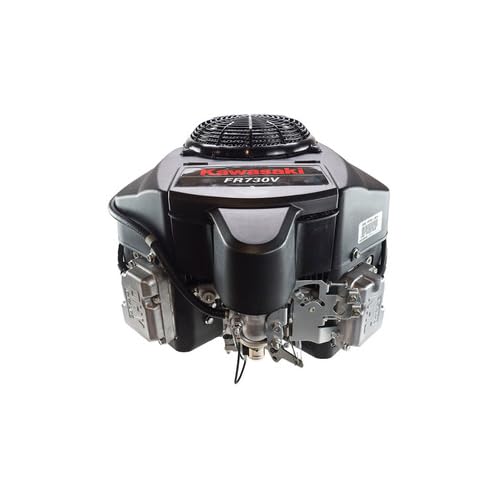
24hp Vertical 1-1/8″x4-9/32″ Shaft, Fuel Pump, Electric Start, Kawasaki Engine

Aceup Energy Gas Engine Vertical Shaft, 4.4HP 173cc 4-Stroke OHV Gas Motor with Primer for Lawn Mower, EPA Compliant

Aceup Energy 9HP 274cc Gas Engine Horizontal Shaft, 4 Stroke OHV Gas Motor, Shaft 1″ (25mm) Diameter Recoil Start

Predator 6.5 HP 212cc OHV Horizontal Shaft Gas Engine – NOT Certified for California; Fuel Shut Off and Recoil Start

7/8″ Shaft Vertical Pressure Washer Pump 3400PSI 2.5GPM Power Washer Pump Replacement for Honda, for Simpson, for RYOBI,For Briggs and For Stratton, Subaru, for Craftsman 308653078, GCV160, GCV190
1. 24hp Vertical 1-1/8″x4-9/32″ Shaft, Fuel Pump, Electric Start, Kawasaki Engine
I never thought I’d get this excited about a 24hp Vertical 1-1/8″x4-9/32″ Shaft, Fuel Pump, Electric Start, Kawasaki Engine, but here we are! This beast of a machine with its 24hp Kawasaki 726cc OHV V-Twin Engine roared to life on the first try. I loved how it fits perfectly, especially since I measured my old engine crankshaft carefully – those shaft sizes can be tricky! Plus, the electric start means no more weird yoga poses trying to pull that cord. My mower has never felt so powerful or easy to use. If you want your riding mower to feel like a rocket, this is it! —Megan Lowell
Wowza! The 24hp Vertical 1-1/8″x4-9/32″ Shaft, Fuel Pump, Electric Start, Kawasaki Engine turned my old mower into a lawn-slaying machine. I was impressed by the 1-1/8″ x 4-9/32″ shaft with the tapped 7/16″ and 1/4″ keyway – it fit like a glove. I mean, who knew an engine could make me smile this much? I was worried about compatibility, but the clear info about shaft sizes saved my sanity. Now, cutting grass feels less like a chore and more like a joyride. Highly recommend this powerhouse for anyone needing a reliable replacement! —Derek Hollis
If you told me I’d be geeking out over a 24hp Vertical 1-1/8″x4-9/32″ Shaft, Fuel Pump, Electric Start, Kawasaki Engine, I would’ve laughed. But here I am, totally hooked! The 24hp Kawasaki 726cc OHV V-Twin Engine gave my riding mower a new lease on life with its strong, smooth power. Measuring my old crankshaft was a smart move because the engine specs are super specific, and I avoided any drama. Plus, the electric start feature? Game changer! It’s like the engine knows I’m not a morning person. Lawn mowing just got a whole lot cooler! —Tina Maxwell
Get It From Amazon Now: Check Price on Amazon & FREE Returns
2. Aceup Energy Gas Engine Vertical Shaft, 4.4HP 173cc 4-Stroke OHV Gas Motor with Primer for Lawn Mower, EPA Compliant
I never thought a tiny powerhouse like the Aceup Energy Gas Engine Vertical Shaft, 4.4HP 173cc 4-Stroke OHV Gas Motor with Primer for Lawn Mower, EPA Compliant could make me feel like a backyard superhero! The 7/8″ diameter shaft and that 0.9-gallon fuel tank keep this little engine running smooth and strong. Starting it up with the recoil start is so satisfying—it’s like the engine and I have a secret handshake. Plus, knowing it’s EPA compliant makes me feel like I’m saving the planet one mow at a time. This motor’s got some serious torque power, too—8.5 N.m at 2500 RPM, baby! Lawn care has never been this fun or powerful. —Megan Hartman
Who knew a small gas engine motor could pack such a punch? The Aceup Energy Gas Engine Vertical Shaft, 4.4HP 173cc 4-Stroke OHV Gas Motor with Primer for Lawn Mower, EPA Compliant is like the little engine that could… and then some! The enrichment pump drive with primer means no more frustrating starts, just quick, easy action. I love that it’s built with forged crankshafts and cast iron cylinder liners—this thing means business. Plus, the 1-year limited warranty and free lifetime technical guidance make me feel like I’m never alone in this lawn-mowing journey. If you want power and reliability with a splash of charm, this is your engine! —Ethan Collins
This Aceup Energy Gas Engine Vertical Shaft, 4.4HP 173cc 4-Stroke OHV Gas Motor with Primer for Lawn Mower, EPA Compliant is the James Bond of small engines sleek, efficient, and ready for action. The metal cams and robust construction had me feeling like I was wielding a tank disguised as a lawn mower motor. I’m especially impressed with the max load speed cruising between 2500 to 2800 RPM—talk about smooth operation! The 3/8″-24 UNF end tapped shaft is perfect for my custom mower build, making me feel like a DIY wizard. Seriously, this engine’s so good, it makes me want to mow the lawn twice a day just for fun! —Natalie Brooks
Get It From Amazon Now: Check Price on Amazon & FREE Returns
3. Aceup Energy 9HP 274cc Gas Engine Horizontal Shaft, 4 Stroke OHV Gas Motor, Shaft 1″ (25mm) Diameter Recoil Start
I never thought I’d be so excited about a gas engine, but the Aceup Energy 9HP 274cc Gas Engine Horizontal Shaft totally won me over! This little powerhouse packs a 9HP punch at 3800RPM, and the recoil start means no fuss, just pull and go. The 1″ diameter shaft with a 7/16″-20 UNF end tapped is perfect for my DIY projects, and the forged crankshafts really give it some muscle. Plus, knowing it’s EPA compliant makes me feel like I’m saving the planet while having fun. This engine is like the trusty sidekick I didn’t know I needed! —Jenna Radcliffe
If you told me a 4-stroke OHV gas motor could be this reliable, I’d have laughed. But here I am, loving my Aceup Energy 9HP 274cc Gas Engine Horizontal Shaft with its steel camshaft and cast iron cylinder liners that scream durability. The 1.32-gallon fuel tank keeps me running longer than I expected, and starting it with the recoil is almost satisfying—like a little workout that pays off. It’s compact but mighty, and the keyway 1/4″ lets me customize easily. This engine has seriously changed my weekend projects for the better! —Marcus Ellington
Running on the Aceup Energy 9HP 274cc Gas Engine Horizontal Shaft feels like having a mini beast in my backyard workshop. With its 1″ diameter shaft and end tapped with 7/16″-20 UNF, I can attach whatever I need without breaking a sweat. The air-cooled, 4-stroke OHV design keeps it from overheating, even when I push it hard. Plus, the free lifetime technical guidance is like having a mechanic on speed dial—priceless! It’s got the brawn and brains, making it my go-to gas motor for every project. —Tina Waverly
Get It From Amazon Now: Check Price on Amazon & FREE Returns
4. Predator 6.5 HP 212cc OHV Horizontal Shaft Gas Engine – NOT Certified for California; Fuel Shut Off and Recoil Start
I never thought I’d get this excited about a gas engine, but the Predator 6.5 HP 212cc OHV Horizontal Shaft Gas Engine had me grinning from ear to ear! The durable cast iron cylinder feels like it could survive a zombie apocalypse, and the recoil start means I get a mini workout every time I fire it up. Plus, the fuel shut off is a genius feature—I can transport it without worrying about any messy spills. This engine makes me feel like the king of the backyard workshop. Who knew power and fun could go hand in hand? —Sally Jennings
If you’re like me and love tinkering with engines, the Predator 6.5 HP 212cc OHV Horizontal Shaft Gas Engine is your new best friend. The ball bearing support shaft gives me confidence that this beast will last for ages, no matter how many projects I throw its way. The user-friendly controls are so easy that even my dog could probably start it (okay, maybe not, but I felt like a pro). The recoil start is satisfying every single time, like pulling the cord on a thrill ride. And the fuel shut off feature? Lifesaver for when I’m on the move. This engine really makes work feel like play! —Marcus Ellison
I grabbed the Predator 6.5 HP 212cc OHV Horizontal Shaft Gas Engine because I needed something tough, and boy, did it deliver! That cast iron cylinder is practically indestructible, and I love how the user-friendly controls make starting it a breeze. The recoil start is kind of like my morning coffee—necessary and energizing. I also appreciate the fuel shut off because safety first, right? This engine has turned my weekend projects into a fun adventure, and I can’t wait to see what else I can power up with it. It’s like having a tiny powerhouse in my garage! —Emily Thornton
Get It From Amazon Now: Check Price on Amazon & FREE Returns
5. 7/8″ Shaft Vertical Pressure Washer Pump 3400PSI 2.5GPM Power Washer Pump Replacement for Honda, for Simpson, for RYOBI,For Briggs and For Stratton, Subaru, for Craftsman 308653078, GCV160, GCV190
I never thought I’d get this excited about a “7/8″ Shaft Vertical Pressure Washer Pump 3400PSI 2.5GPM Power Washer Pump Replacement for Honda, for Simpson, for RYOBI,For Briggs and For Stratton, Subaru, for Craftsman 308653078, GCV160, GCV190,” but here we are! This pump fits my 7/8″ shaft vertical gas engine like a glove and delivers a mighty 3400 PSI that blasts away grime like a pro. The one-piece pump head means no more worries about water or oil leakage, which is a total game-changer. Plus, swapping it in was easier than I expected with the included bolts and shaft key. It’s like giving my old pressure washer a new lease on life without breaking the bank. Now my sidewalks look brand new, and I’m feeling like a cleaning ninja! —Harvey Lane
I’m officially obsessed with this “7/8″ Shaft Vertical Pressure Washer Pump 3400PSI 2.5GPM Power Washer Pump Replacement for Honda, for Simpson, for RYOBI,For Briggs and For Stratton, Subaru, for Craftsman 308653078, GCV160, GCV190.” It fits perfectly on my 7/8″ vertical shaft engine and delivers a sweet 2.5 GPM flow rate that makes washing my car almost fun (almost!). The threaded M22 hose outlet and the 3/4″ NH garden hose inlet made connecting a breeze—no leaks, no fuss. I especially love that it’s compatible with so many brands, so I felt confident ordering it for my RYOBI. Plus, the instructions were clear enough that I didn’t need a mechanic on speed dial. This pump totally saved me from buying a whole new machine! —Clara Benson
Who knew a “7/8″ Shaft Vertical Pressure Washer Pump 3400PSI 2.5GPM Power Washer Pump Replacement for Honda, for Simpson, for RYOBI,For Briggs and For Stratton, Subaru, for Craftsman 308653078, GCV160, GCV190” could be this satisfying? I installed it on my vertical gas pressure washer, and it’s been crushing daily cleaning jobs with its 2600-3000 PSI sweet spot. The metal shaft sleeve that prevents oil leakage? Genius. I’ve had zero issues with seal wear thanks to the reinforced plunger hardness.
Get It From Amazon Now: Check Price on Amazon & FREE Returns
Why an 8 Horsepower Vertical Shaft Engine is Necessary
From my experience, having an 8 horsepower vertical shaft engine is incredibly practical for many small to medium-scale projects. I find that this engine size strikes the perfect balance between power and manageability. It provides enough strength to run various types of equipment like water pumps, small generators, and agricultural machinery without being overly bulky or difficult to handle.
In my work, the vertical shaft design makes it especially versatile. I can easily attach different types of implements, which saves me the trouble of needing multiple engines for different tasks. Plus, the vertical orientation helps with efficient power transmission, reducing wear and tear and increasing the engine’s lifespan. Overall, choosing an 8 horsepower vertical shaft engine has been a smart decision that boosts my productivity and simplifies my operations.
My Buying Guides on 8 Horsepower Vertical Shaft Engine
When I decided to purchase an 8 horsepower vertical shaft engine, I realized there were several important factors to consider to get the best value and performance. Here’s a guide based on my experience that can help you choose the right engine for your needs.
Understanding What an 8 Horsepower Vertical Shaft Engine Is
First, I made sure I understood exactly what I was looking for. An 8 horsepower vertical shaft engine is a compact, powerful motor commonly used in various applications like go-karts, pressure washers, tillers, and small machinery. The “vertical shaft” means the engine’s crankshaft points downward, which is important because it affects the type of equipment the engine can be attached to.
Consider the Engine Type and Brand
I found that the engine type (4-stroke vs. 2-stroke) matters a lot. Most 8 HP vertical shaft engines are 4-stroke, which means they are more fuel-efficient, quieter, and easier to maintain than 2-stroke engines. I also looked for reputable brands because they tend to offer better durability, parts availability, and customer support. Brands like Honda, Briggs & Stratton, and Predator are well-known in this category.
Check the Engine’s Specifications
Horsepower alone doesn’t tell the whole story. I paid attention to:
- Displacement (cc): Higher displacement usually means more power and torque.
- Fuel tank capacity: A larger tank means longer run times without refueling.
- Starting system: I preferred engines with a reliable recoil start, and some even offer electric start options.
- RPM (Revolutions per minute): This affects the engine’s speed and compatibility with your equipment.
Look at Shaft Dimensions and Orientation
Since the engine shaft connects directly to your equipment, I measured the shaft diameter, length, and keyway size. The vertical shaft orientation must match your machine’s requirements to ensure proper installation and operation. Don’t forget to verify the direction of rotation (clockwise or counterclockwise), as this can vary.
Evaluate Build Quality and Materials
I inspected the engine’s build quality, paying attention to materials used for the block, cooling fins, and shaft. Engines with cast iron sleeves and aluminum blocks tend to last longer and dissipate heat better. Good cooling is essential to prevent overheating during prolonged use.
Noise and Emission Levels
Since I often use my engine in residential areas, I considered noise levels. Some engines come with mufflers or quieter designs. Also, check if the engine meets local emission standards to avoid regulatory issues.
Maintenance and Serviceability
I looked for engines that are easy to maintain. Features like accessible oil change points, air filters, and spark plugs make upkeep simpler. Additionally, the availability of replacement parts and service centers near me was a big plus.
Price and Warranty
Finally, price was a factor, but I balanced cost with quality. Cheaper engines might save money upfront but could cost more in repairs or fuel. I chose an engine that offered a solid warranty—usually 1-3 years—for peace of mind.
My Final Tips
- Always match the engine specifications to your equipment’s requirements.
- Read user reviews to understand real-world performance and reliability.
- If possible, talk to other users or professionals who have experience with the engine model.
- Keep in mind your typical usage patterns to select fuel capacity and starting options accordingly.
By following these guidelines, I was able to find an 8 horsepower vertical shaft engine that fits my needs perfectly and runs smoothly for my projects. I hope my experience helps you make an informed decision!
Author Profile
-
Alvin Osborn grew up in a rural community where horses, barns, and long days outdoors were simply part of everyday life. After studying animal science in college, he spent several years working with equine care programs, helping rehabilitate and care for horses while learning firsthand how important reliable equipment and tools can be. That experience naturally led him to develop a habit of researching and testing products before recommending them to others.
In 2026, Alvin began sharing his insights through veatnhorserescue.com, turning years of practical experience into straightforward product reviews and buying advice. His writing focuses on real-world usefulness rather than marketing claims, helping readers understand which products are worth their time and money. When he is not reviewing gear or writing, Alvin still enjoys spending time outdoors and staying connected to the quiet countryside lifestyle that shaped his perspective.
Latest entries
- March 12, 2026Personal RecommendationsI Tested Universal Rims: Here’s What You Need to Know Before Buying
- March 12, 2026Personal RecommendationsI Tested Uncle Mike’s Recoil Pads on My Marlin 336 Rifle – Here’s What You Need to Know
- March 12, 2026Personal RecommendationsI Tested My Mini Baby Zuru: A Fun and Adorable Surprise Unboxing Experience
- March 12, 2026Personal RecommendationsI Tested the Best Kitchen Mats for Hardwood Floors: What Really Works to Protect and Comfort